
 By
By 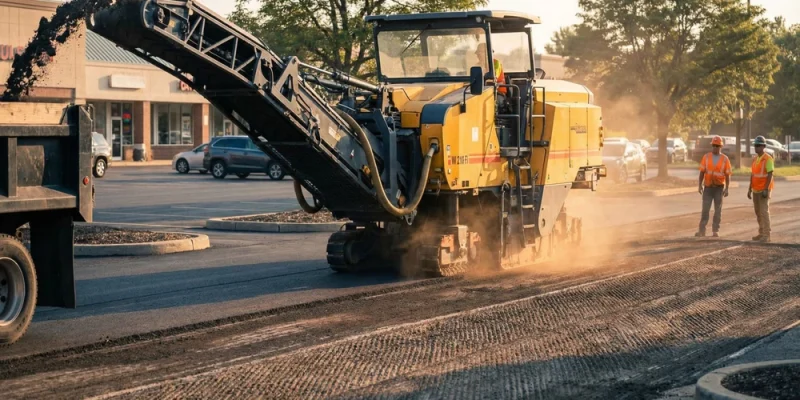
One of the most critical things in the success of an asphalt milling project is accurate scheduling. Residential driveway work, commercial parking lot maintenance, or maintenance on the municipal roadways can all be handled in a well-managed program that keeps the jobs on schedule, costs in check and with minimal disruption of property owners and motorists. Experienced contractors consider several factors before setting up reasonable timelines for each project because every project comes with its own set of challenges. They have the opportunity to use a detailed plan along with efficient project management to ensure that milling continues to run smoothly and produce a high-quality product.
Before any timeline is finalized, experienced professionals use proven methods to Contractors Estimate Asphalt Milling Schedules with greater accuracy by evaluating site conditions, project scope, equipment availability, weather forecasts, and potential logistical challenges. Rather than relying on a one-size-fits-all estimate, they build realistic schedules that account for preparation, milling, material hauling, and any unexpected issues that could arise. This detailed planning helps minimize delays, improves crew efficiency, and ensures clients have a clear understanding of how the project will progress from start to finish.
- Performing a detailed site evaluation
A thorough site inspection is the first part of every accurate milling schedule. Contractors inspect the pavement, look for severe cracking or ruts, assess drainage and check the structural integrity of the underlying base. They also survey the site of the project and calculate how much material will be removed from the area. A detailed assessment can be used to identify potential issues before construction starts, which will minimise the risk of unexpected delays during the milling process.
- Determining the size and complexity of a project
The size and layout of the project have a direct impact on scheduling. A small residential driveway might only need a couple of hours of milling, or a big commercial parking lot or public road might take days. Tight work areas, curbs or landscaped areas, multiple access points and the thickness of the pavement are other factors that contractors take into account when determining the time needed to do the job. Dividing up large projects into smaller segments can help keep crews efficient and ensure that sections of the property remain accessible.
- Monitoring Weather Conditions
Asphalt milling schedules are greatly affected by the weather. Before and during the course of the project, contractors will keep track of the weather and do their best not to work when it’s raining or in other bad weather. Dry conditions provide better equipment performance, job site safety and better conditions for resurfacing when milling is finished. Having flexibility in the schedule enables contractors to respond to changes in the weather without having a major impact on the project as a whole.
- Ensuring equipment and manpower are available and ready for use.
The proper scheduling relies on the availability of the required equipment and skilled crews at the right time. Contractors direct the milling machines, loaders, haul trucks and support staff to optimise each phase of the process. Proactive equipment maintenance is also planned to minimise the potential for breakdowns that may slow progress. With the right coordination, productivity is optimised, and downtime is reduced.
- Planning for Traffic Control
A large number of milling jobs are conducted in places where it is important to allow some circulation of vehicles. Contractors create traffic control plans involving temporary closure of lanes, detours, signs and safe pedestrian access. Consider scheduling work outside of peak hours, evenings or weekends to further alleviate congestion and improve efficiency. Properly designed traffic control can also facilitate construction while keeping both workers and the public safe.
Being ready for Unexpected Conditions.
However, despite meticulous planning, problems can occur during the milling process. Other issues such as hidden damage to the pavement, utility conflicts, or drainage issues may need to be addressed before resurfacing can take place. These are scenarios that experienced contractors already have planned for, which is why they schedule time to take these events into account without it having a major impact on the project timeline.


Comments