
 By
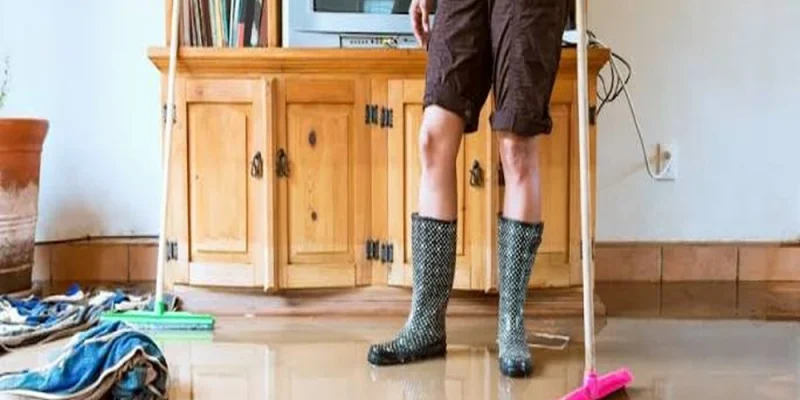
When water has been through your house, the first instinct is to start cleaning right away. Towels, buckets, a wet vac, the sooner the better. But some of the most important decisions come before any of that, at the front door, and they have more to do with your own safety than with the carpet.
Oklahoma knows heavy rain, flash flooding and storm damage well, and anyone searching for emergency water removal in More Oklahoma is usually in the middle of exactly this situation. Here is what the US Environmental Protection Agency advises people to do and not do before and during cleanup.
Wait Until It Is Safe to Go In
The EPA lays out the process in its text version of The Flooded Home, published in August 2023 and updated in August 2026. Its first message is to wait until professionals say reentry is safe, to make sure the electricity is off and to look out for structural or other hazards. Water and live electricity do not mix, and a damaged structure can be a danger even when the water is gone.
Dress for the Job
According to the page, the minimum protective gear is an N95 respirator, goggles without holes, gloves and clothing that covers exposed skin, with boots or waders if there is standing water. After leaving a moldy area, it says to shower and change clothes, and to keep contaminated clothing out of clean areas. It also advises keeping children and older adults out of cleanup work.
Treat the Water as Hazardous
The page warns that flood water may have carried sewage or chemicals into your home. Standing water should be treated as hazardous, and people with asthma or weakened immune systems should stay away from moldy areas. This is the reason the gear matters, and it is a good reason to think twice about doing the heaviest work yourself.
Getting the Water and Mud Out
The next phase is physical. The page describes pumping out standing water and removing wet materials, debris and silt, while making the area safe from slips, trips and falls. It says to throw away items that cannot be cleaned and dried, to bag wet or moldy items before removing them and to remove water-damaged drywall.
The Race Against the Clock
The page’s most repeated advice is speed. Dry your home and everything in it as quickly as you can, within 24 to 48 hours, because belongings that stay wet longer should be assumed to have mold. Open doors and windows while you work, and use fans and dehumidifiers only once the electricity is safe. The page notes that fans can spread mold, so clean all visible mold before running them.
Power Tools and Generators
If you are running a fuel-powered generator for pumps or fans, the page says it must sit outside, at least 20 feet from the building and away from open doors and windows, to prevent carbon monoxide poisoning.
Leave the Heating and Cooling Off
It is tempting to turn on the air conditioning to help dry things out. The page says not to. Keep the HVAC system off until cleanup and repairs are complete, and if floodwater reached the ducts or equipment, do not use it for drying until a professional confirms it is safe. Once the home is clean and dry, it advises keeping humidity below 60 percent, ideally between 30 and 50 percent.
Skip the Mold Test
The page says mold sampling is usually not recommended. Instead, inspect the home carefully, including the HVAC system, and make sure it is dry and free of visible contamination, dust and musty odors.
When to Call for Help
This section is general advice and not from the page. If water has reached electrical outlets, the structure or the ducts, or if the area is large, professional water removal equipment and trained crews can do in hours what takes homeowners days. When you call, ask what equipment will be used, how drying will be monitored and what the estimate covers.
About the Company Behind the Link
The website at the linked address belongs to Next Level Restoration, which says it is based in Oklahoma City, Oklahoma, and serves surrounding communities including Del City, Midwest City, The Village, Warr Acres, Bethany, Moore, Edmond, Mustang, Choctaw and Yukon. Its listed services are flood and emergency water removal, structural planning and drawing, air duct cleaning, mold remediation, fire damage restoration and storm damage restoration, and it mentions structural drying. The site says the company is open 24 hours, offers free estimates, is licensed and insured, and has trained and certified mold remediation experts. It gives a phone number of (405) 850-9021. It does not state years in business, license numbers or warranties.


Comments