
 By
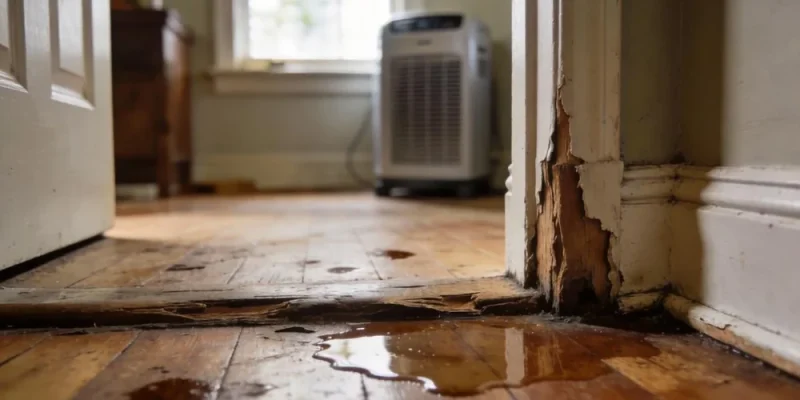
Some of the worst basement floods start without a drop of water coming through a window or a wall. A summer storm stalls over the neighborhood and the gutters overflow. Within an hour, gray water is bubbling up from the floor drain beside the laundry tub. Nothing outside the house looks wrong. The trouble is underground, in a pipe most homeowners never think about.
Many homes built before the 1970s in older Midwestern cities and suburbs send their household waste and their rain runoff into the same municipal line. Local specialists like Morning Noon Night Plumbing & Sewer spend much of storm season dealing with the results. The question they hear most is simple: why did water come up from below when it was supposed to go down?
The answer is in how these systems were built. A combined sewer carries sewage, street runoff and roof water together in one pipe toward a treatment plant. On a dry day there is plenty of room. In a downpour the main fills to the top, pressure builds, and the water looks for the lowest opening it can reach. In a house with a basement, that opening is usually the floor drain.
Water Follows Elevation, Not Intention
Your home’s sewer lateral runs downhill from the house to the main under the street. It works fine as long as the main has space. When the main surcharges, the water inside it rises above the level of your basement floor. Gravity doesn’t care which direction the pipe was meant to flow. The water climbs back up the lateral and comes out through the lowest fixture in the house.
That’s why a backup can happen even when your own pipes are perfectly clean. A blocked lateral and an overloaded city main can look the same from the basement, but they need very different fixes. A clog clears with rodding or jetting. A surcharged main needs changes to how your plumbing connects to it.
Telling One Kind of Flood From Another
Before spending money, it helps to work out where the water is actually coming from. Basement water usually falls into one of three categories, and each leaves its own clues.
Sewer backup. The water rises from the floor drain, shower or toilet, often during or right after a heavy storm. It’s gray or brown and smells like sewage. Neighbors on the same block often have the same problem at the same time.
Foundation seepage. Clear water shows up along the cove joint where the wall meets the floor, or through cracks in the walls. It tends to show up hours after the rain starts, once the soil around the house is saturated.
Overland flow. Water comes in through window wells, stairwells or doors because the yard or alley is sloped toward the house. You can usually see it happening.
Many basements deal with more than one of these at once, which is why a careful inspection matters more than a quick guess.
Valves That Only Open One Way
The simplest form of backup protection is a backwater valve installed in the main drain line. Inside it is a flap that swings open for water leaving the house and closes when water tries to come back in. Some homeowners add a second valve as a backup check.
Valves cost less than a full plumbing conversion, but they come with tradeoffs. While the flap is closed during a storm, nothing in the basement can drain, including the washing machine or a basement bathroom. A flap stuck open by grease or debris gives no protection at all, so the valve needs to be opened and cleaned regularly. Some homeowners just use a standpipe or threaded plug in the floor drain as a stopgap. It’s cheap, but it only blocks one opening.
Rerouting the Whole System Upward
An overhead sewer works on a different idea. Instead of letting the house drain to the street at basement level, the plumber reroutes the main so it leaves the house high on the foundation wall, above the level that street water can reach during a surcharge.
Upstairs fixtures still drain by gravity into this higher line. Anything below it, including the floor drain, basement toilet, laundry tub and shower, empties into a sealed ejector pit. A pump in that pit lifts the wastewater up into the overhead line, and a check valve keeps it from flowing back down. The old floor drain gets disconnected from the sewer and tied into the pit, so it can’t let water in anymore.
The work involves breaking up concrete, digging a pit and running new piping, so it usually needs a permit and an inspection. Many suburbs in older sewer districts offer rebate or cost-sharing programs for overhead sewer conversions, and it’s worth calling your village hall before you get a quote. One design question an experienced installer will raise is pressure on the foundation. When groundwater can’t escape through the old drain, it pushes harder against walls and floors, so a weak foundation may need attention first.
The Pumps Doing the Heavy Lifting
People often confuse sump pumps and ejector pumps, but they do different jobs. A sump pump handles clear groundwater collected by drain tile around the foundation and sends it outside. An ejector pump handles sewage and gray water from basement fixtures and sends it into the sewer. A well protected basement often has both.
Either pump becomes a problem the moment it stops running. Storms knock out power at the worst possible time, so a battery backup or water powered backup pump is worth considering. A high water alarm costs very little and gives early warning. Pour a bucket of water into each pit a few times a year to make sure the float rises and the pump starts. Most pumps last about seven to ten years, and older ones tend to fail during the hardest rain.
Small Choices That Add Up During Storms
Plumbing upgrades work best alongside simple habits. If your downspouts are connected straight into the sewer, they add a lot of roof water to an already overloaded system. Many towns now encourage disconnecting them and sending the water to the lawn or into a rain barrel, as long as it flows away from the foundation and doesn’t run onto a neighbor’s yard. Clearing gutters before the wet season keeps water from pouring over the edges and soaking the soil right next to the walls.
During a heavy storm, holding off on laundry, dishwashing and long showers keeps your own wastewater out of a main that’s already full. It’s a small step, but when the whole block does it, it helps everyone.
It also helps to read your homeowners policy. Standard policies often exclude sewer backup damage unless you’ve added a specific rider, and many people only find this out after the carpet has been pulled up. The rider is usually inexpensive compared with replacing drywall, flooring and furniture.
Living Below Street Level With Confidence
A basement sits below the street, and that will always come with some risk. Still, sewer backups are a solvable problem. When you know where the water comes from, how your lateral connects to the main and which protection fits your foundation and budget, the next big storm doesn’t have to mean shop vacs, fans and bleach. Water will always look for the lowest opening, so the goal is to close that opening before the clouds roll in.

Comments