
 By
By 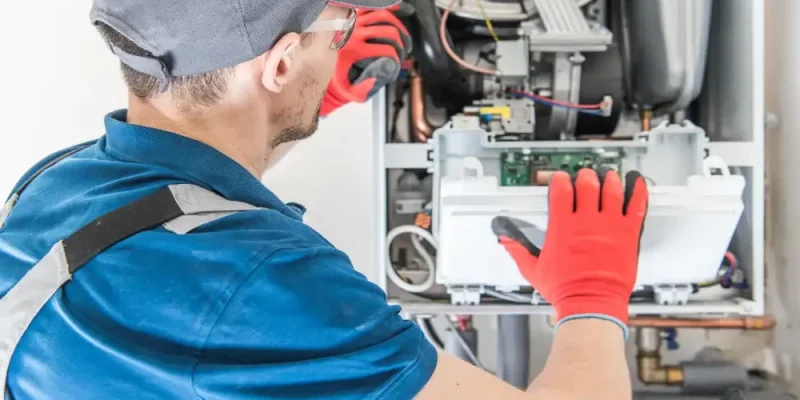
Most homeowners see a furnace installation from the top of the basement stairs, catching glimpses of sheet metal and pipe going back and forth for most of a day. What happens down there follows a fairly predictable sequence, and knowing it makes the day easier to plan around, particularly when the heat will be off for several hours in October. It also helps to understand the permit and inspection that come with the job, since those are the parts of an installation that protect the homeowner long after the crew has gone. Here is how a typical installation day unfolds in a Calgary house, and what to expect before and after it.
Before the Crew Arrives
Clearing a path from the door to the furnace room, moving storage boxes away from the mechanical area and making room near the exterior wall where new vents might exit will save the installers time, which is time you are not paying for. If there are pets, it is worth planning where they will spend the day, because doors will be opening and closing and there will be tools and pipe on the floor. It also helps to know where your main water shutoff and electrical panel are, in case the installers need access to either.
The permit is normally arranged before or around the start of the job. In Calgary, gas furnace work requires a permit from the city, and a properly permitted furnace installation is one where the contractor applies for it, completes the work to code, and then arranges the inspection. It is reasonable to ask for the permit number on the day, since it is the easiest way to confirm the paperwork exists.
Morning: Shutting Down and Removing the Old Unit
The day usually starts with the gas and power to the old furnace being shut off and the unit disconnected. The old furnace then comes apart from the supply plenum and return air connections, and it is carried out, which is often the noisiest and dustiest part of the day. If there is an air conditioner, the refrigerant coil sitting on top of the furnace is typically left in place and supported, although a mismatched coil or cabinet size may mean some adapting. Once the space is clear, the installers check the floor, the return air opening and the condition of the ductwork connections before anything new goes in.
Midday: Setting the New Furnace
The new furnace is positioned, levelled and connected to the existing ductwork with new transition pieces of sheet metal cut to fit, because the new cabinet rarely matches the old one exactly. The gas line is extended or adjusted to meet the unit, with a shutoff valve and sediment trap at the furnace, and then tested for leaks. On a high-efficiency furnace, the PVC intake and exhaust are run to the outside wall, and the terminations have to sit at code clearances from grade, the snow line, windows, doors and the gas meter’s regulator. The condensate line is routed to a floor drain or a small pump, and the electrical supply is connected through a service switch beside the furnace.
This is also where the furnace installation process can slow down if something unexpected turns up. Corroded gas fittings, a chimney that now needs a liner for the water heater, or a return air opening that is too small for the new blower are all common findings in older Calgary homes, and a good installer will stop and explain them rather than quietly working around them. Any change to the scope or price should be agreed before the work continues, not discovered on the invoice.
Afternoon: Start-Up and Commissioning
Once everything is connected, the furnace is started and checked, which is the step that separates a careful installation from a rushed one. The installer should measure gas pressure, confirm the temperature rise across the heat exchanger falls inside the manufacturer’s range, check that the flame and ignition behave properly, and verify that the venting and condensate drain are working. The thermostat is connected and set up for the furnace’s stages, if it has more than one, and the blower speed may be adjusted to suit the ductwork. A typical installation of this kind takes somewhere around four to eight hours, depending on how much venting and gas work the house needs.
Before the crew leaves, ask them to walk you through the new filter size and where it goes, how to read any fault lights on the furnace, and what the thermostat settings mean. It is also the right moment to ask who is registering the equipment with the manufacturer, since many 10-year parts warranties depend on registration being completed within a set period after installation, often around 60 days. Getting a clear answer on that point now is much easier than trying to sort it out after a part has failed.
After the Installation: The Inspection
The permit is closed only once the work has been inspected by a safety codes officer, and depending on scheduling, that visit may happen days or weeks after the furnace is running. The inspector looks at the gas piping, venting, clearances and the overall installation against the gas code. Homeowners generally need to provide access to the furnace room, so it is worth confirming with the contractor who will book the inspection and whether you need to be home for it. If the inspector asks for a correction, the installing contractor should come back and make it as part of the original job.
Keeping the paperwork together is a small step that pays off later. The permit number, inspection result, invoice, model and serial numbers, and warranty registration confirmation are exactly what an insurer, a future buyer or a service technician will ask for. A simple folder near the furnace, or a photo of each document on your phone, is enough.
Calgary Air Heating and Cooling Ltd Contact Information
Address
95 Beaconsfield Rise NW, Calgary, AB T3K 1X3
Phone
+1 (403) 720-0003
Hours of operation
7 a.m.–11 p.m. (including weekends)
Website
https://calgaryair.ca/furnace-installation-calgary/
Map
The First Few Weeks
A new high-efficiency furnace often sounds different from the old one, with a quieter burner but a noticeable inducer motor at start-up, and some owners notice a faint smell the first time it runs hard as manufacturing oils burn off. Both are normal in the first days. What is worth a call back is any water around the furnace, a vent termination that frosts heavily or blocks with snow, or rooms that heat noticeably worse than before, since those point to something that should be adjusted while the labour warranty is fresh.


Comments