
 By
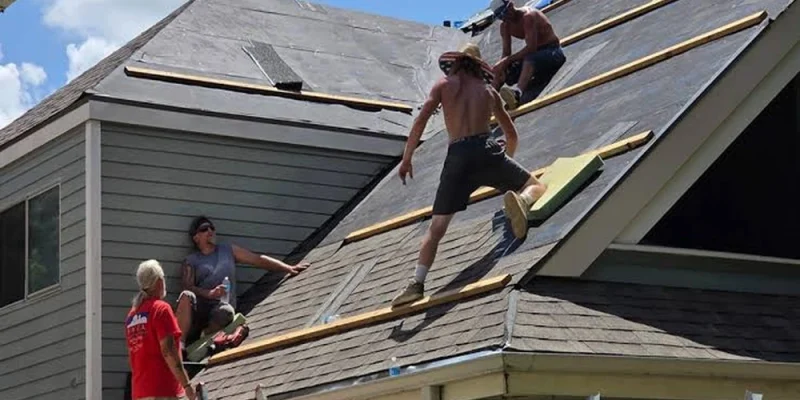
A roof in Barton County faces a different problem almost every month: freeze and thaw swings in winter, hail and straight line winds in spring, and July heat baking shingles already bruised in May. The Kansas Department of Insurance reported that insurers paid more than $879 million on Kansas storm claims in 2025, about double the 2023 total, even though the number of claims fell by nearly half. That works out to roughly $10,600 per claim, compared with about $3,000 two years earlier. Damage per home is getting costlier, so timing inspections and repairs around the calendar matters more than ever.
Homeowners who would rather follow that calendar with a local professional than guess at it can turn to a roofing company in Great Band with offices in Great Bend, Hays and Larned. At watkinsroofs.com, owner Matt Watkins handles every job himself, so questions go straight to the person making decisions instead of a salesperson checking with a boss. The company focuses on roof installation and repair at a fair price, with a promise many homeowners struggle to get after a storm: a call back. A free inspection before the next season turns shows exactly where your roof stands.
January and February
Cold on the plains rarely holds steady. Single digit nights followed by a sunny afternoon in the fifties are routine, and every swing works the decking, nails and sealant around pipes and vents. Water that slips into a lifted tab freezes overnight and widens the gap each cycle.
What to watch this time of year:
- Small bumps in the shingles from nails backing out of the deck, often clustered near the ridge
- Rubber pipe boots that have split from sun and cold, which commonly fail years before the shingles around them
- Ice building along the eaves after a snow that melts unevenly across the roof
Ice dams show up less often here than in the northern states, but the physics is identical. North Dakota State University Extension notes that they form when heat escaping into the attic melts roof snow that refreezes at the colder eaves, and that the lasting fix is enough attic insulation and ventilation to keep the roof near outdoor temperature. Skip climbing an icy roof; a flashlight check in the attic for frost on nail tips tells you plenty.
March and Early April
This is the planning window. Storm activity builds through April, and roofers’ schedules fill fast after the first big hail event. Work worth finishing now:
- Clear gutters and downspouts of winter debris so spring downpours drain away from the fascia
- Replace creased or missing shingles before a storm peels back their neighbors
- Photograph every slope and the attic for a dated record of the roof’s condition
- Read the declarations page of your policy for the wind and hail deductible
Many Kansas policies now set that deductible as a percentage of dwelling coverage, so 2 percent on a $250,000 home means the first $5,000 is yours. Check too whether the roof settles at replacement cost or actual cash value, since the latter can leave much of an aging roof’s replacement uncovered. Some insurers have also added cosmetic damage exclusions for metal roofs, so dents that do not leak are not paid.
Late April Through June
This is the heart of hail and tornado season. Storms crossing the Arkansas River valley can drop hail big enough to fracture shingles, and outflow winds often do as much harm as the ice. After a storm clears:
- Check soft metals first, since dents on gutters and vent caps confirm hail size
- Look for granules collecting at downspout outlets, a sign the shingle surface has been bruised
- Tarp any active leak and keep photos and receipts, because reasonable temporary repairs that prevent further damage are part of a normal claim
- Report the damage to your agent or insurer promptly
Out of state crews arrive within days. Kansas requires anyone roofing for pay to register with the Attorney General under the Kansas Roofing Contractor Registration Act, and the Attorney General keeps a public database for checking a contractor’s standing. Regulators also warn against signing papers that assign claim benefits to a contractor, which hands your negotiation with the insurer to someone else.
July and August
Summer highs near 100 degrees can push a dark shingle surface well past 140 degrees on a still afternoon. Heat seldom ruins a healthy roof, but it is very good at exposing weak spots:
- Hail bruises from spring soften and start shedding granules, making damage visible that was hard to see in May
- A poorly vented attic cooks shingles from underneath and raises cooling bills
- Sudden afternoon gusts lift tabs whose sealant strips never bonded properly during installation
If summer confirms a replacement is coming, compare materials now. Class 4 impact rated shingles, tested under UL 2218, have become common across hail country, and some insurers offer premium credits for them. Ask your agent what documentation the insurer wants before the new roof goes on.
September and October
Fall is the steadiest roofing season in central Kansas. Mild days let new shingles seal properly, wind is calmer and crews are past the summer rush. Close out anything left from storm season now, because most policies set deadlines for reporting damage, and spring hail left into a second winter is harder to tie to a date of loss. Before a reroof begins, ask whether the contractor will pull any permit the city requires and schedule the inspection, since Great Bend and surrounding towns each handle building permits through their own offices.
November and December
The last weeks before steady freezing are for sealing up. Gutters need one more cleaning after cottonwoods and elms drop their leaves, since a packed gutter becomes a frozen trough. Flashing around chimneys should be tight, soffit vents clear of shifted insulation, and overhanging limbs trimmed before an ice storm adds weight.
One Cycle, Not Six Seasons
Thinking of a roof by the month shows how each season sets up the next. A hail bruise from May sheds granules in August and leaks during a February thaw. A cracked pipe boot ignored in winter soaks a ceiling in the first spring downpour. Homeowners who photograph the roof a few times a year, know their policy before storms rather than after, and handle small repairs in calm months tend to avoid the expensive surprises behind those rising claim figures.


Comments